The Shifting Tides: From Conscription to Volunteerism in the US Military
The concept of compulsory military service, often referred to as 'the draft' or conscription, has played a profound and often controversial role in shaping American history. From the desperate needs of the Civil War to the widespread protests of the Vietnam era, the military draft has been an instrument of national defense policy, reflecting the evolving needs and values of the nation. Today, the United States operates with an all-volunteer force, yet the Selective Service System remains a crucial contingency. Understanding how military draft works, its history, and its potential future is essential for any informed citizen.
This article will delve into the storied past of the US military draft, tracing its evolution from its Civil War inception to our current all-volunteer era. We'll examine the Selective Service System (SSS), its registration requirements, and significant upcoming changes. Furthermore, we'll explore future scenarios, including what a draft reinstatement might entail and the ongoing discussions around gender-inclusive registration, all while contrasting the US approach with global conscription models.
A Journey Through Time: The History of the US Military Draft
America's relationship with military conscription is a complex tapestry woven with threads of necessity, patriotism, and protest. The idea of compelling citizens to serve in uniform first took root during the nation's most trying period:
- The Civil War (1861-1865): Both the Union and the Confederacy initiated conscription to fill their ranks. The Union's Enrollment Act of 1863 allowed for substitutions or monetary payments to avoid service, sparking widespread resentment and riots, particularly among the working class who felt it was "a rich man's war and a poor man's fight." This early iteration highlighted the social tensions inherent in compulsory service.
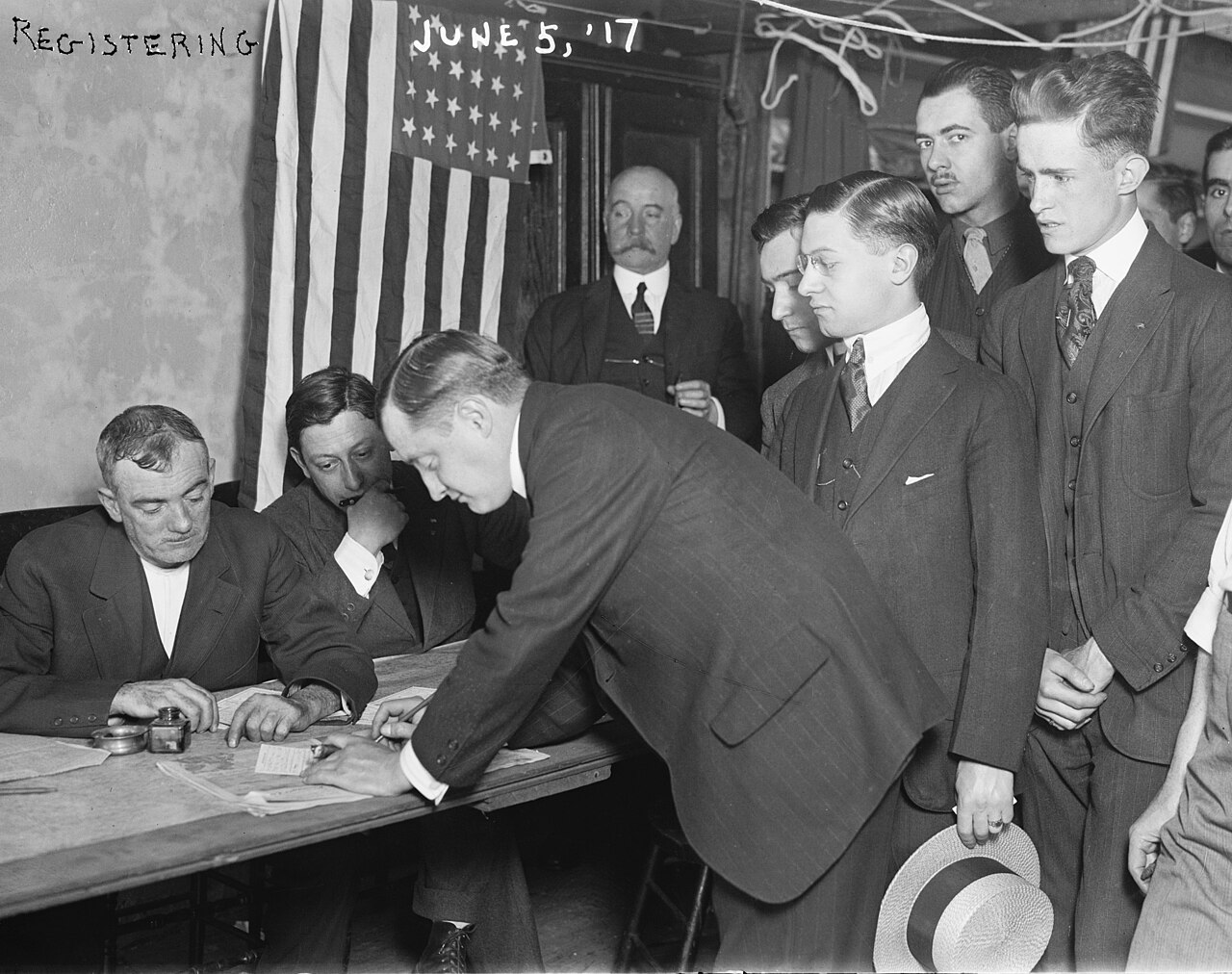
- World War I (1917-1918): It wasn't until the First World War that a truly national, comprehensive draft system was implemented. The Selective Service Act of 1917 required all men between 21 and 30 years old (later expanded to 18-45) to register. Unlike the Civil War draft, this system aimed for greater equity and was seen as crucial for mobilizing the vast numbers needed for modern warfare.
- World War II (1939-1945): As global tensions mounted, the US enacted the Selective Training and Service Act of 1940, the first peacetime draft in American history. This foresight allowed the nation to rapidly build its military might, playing a pivotal role in the Allied victory. Millions of Americans served under this system, forging what many consider the "Greatest Generation."
- The Vietnam War Era (1955-1975): The draft became highly contentious during the Vietnam War. Young men were called to serve in a conflict that many perceived as unjust and unwinnable. Widespread anti-war sentiments fueled active resistance, draft dodging, and massive public protests, fundamentally challenging the government's authority to compel service. This era indelibly changed public perception of conscription.
The Shift to an All-Volunteer Force and Key Dates:
The intense social pressures of the Vietnam era ultimately led to a significant policy shift. President Richard Nixon sought to transition the military to an all-volunteer force, aiming to professionalize the armed services and reduce social unrest. Key dates mark this pivotal transition:
- January 1973: Secretary of Defense Melvin Laird announced the end of draft calls, citing sufficient volunteer enlistment levels. This effectively halted conscription.
- 1975: The legal authority for drafting individuals expired, and Congress did not renew it. The military formally became an all-volunteer force.
- 1980: The Soviet invasion of Afghanistan reignited Cold War tensions and sparked concerns about the nation's ability to rapidly mobilize. President Jimmy Carter reinstated the requirement for males aged 18-25 (later 18-26) residing in the U.S., including immigrants regardless of status, to register with the Selective Service System. This move was not a return to conscription but a re-establishment of a contingency plan, ensuring the government had a roster of potential draftees should a national emergency necessitate mass mobilization.
This marked the establishment of the modern framework: an all-volunteer military supported by a standby Selective Service System, ready to activate if authorized by Congress and the President.
Understanding How the Military Draft Works Today: The Selective Service System
In our current all-volunteer era, the term "military draft" often evokes images of past wars. However, while the draft is not active, the Selective Service System (SSS) is very much alive and relevant. At its core, the SSS is a government agency responsible for maintaining a database of individuals who could potentially be called to military service if Congress and the President ever decided to reinstate conscription. It's crucial to understand that registering with the Selective Service does NOT mean you are joining the military or that a draft is imminent. It is merely a registration process for potential future service, a civic duty for eligible individuals.
Who Must Register and Why?
Currently, all male U.S. citizens and male immigrants residing in the U.S. (documented and undocumented) are required to register with the Selective Service System within 30 days of their 18th birthday. This requirement continues until they reach their 26th birthday. Failure to register can lead to various penalties, including denial of federal student aid, federal job opportunities, and in some cases, even criminal prosecution.
The primary purpose of this registration is to ensure national preparedness. Should a national emergency arise that requires a large-scale mobilization beyond what the volunteer force can provide, the SSS would be activated. In such a scenario, a lottery system (similar to the one used during Vietnam, though updated) based on birth dates would be used to determine the order in which individuals are called for examination and potential induction.
A Major Change on the Horizon: Automatic Registration
For decades, registration has been a manual process, requiring eligible men to actively sign up. However, significant changes are coming that will modernize how military draft works on a fundamental administrative level for future generations. As the Selective Service System noted, registration rates have quietly declined in recent years, partly due to the removal of registration options from federal student loan forms.
Starting December 2026, the Selective Service System will begin automatically registering eligible men within 30 days of their 18th birthday. This landmark change means that individuals will no longer need to sign up themselves. The SSS will leverage existing federal databases, such as Social Security records, to identify and register eligible individuals. This initiative aims to increase registration compliance, reduce administrative costs associated with outreach campaigns, and streamline the process. It's a key update in how the government maintains its readiness infrastructure, but again, it bears repeating: automatic registration does not mean a draft is happening or is even being considered. It is an administrative modernization.
Future Scenarios and Global Perspectives
While an all-volunteer military remains the bedrock of US defense policy, discussions about potential future scenarios and global contexts offer valuable insights into the ongoing relevance of the Selective Service System.
What If the Draft Were Reinstated Today?
Reinstating the draft would be an immense undertaking, requiring an act of Congress and the President's signature. It would likely only occur in response to a major national emergency or large-scale conflict demanding a rapid expansion of military personnel beyond the capacity of volunteers. If reactivated, the SSS would conduct a national lottery, and registered individuals would be called for physical, mental, and moral evaluations. Exemptions and deferments (e.g., for medical reasons, conscientious objector status) would be part of the process, though the specific criteria could be updated from past drafts.
The Debate Around Women and the Draft
A significant ongoing discussion revolves around whether women should be required to register for the Selective Service. With women serving in all combat roles in the military, the argument for their inclusion in registration has gained traction. In 2021, the House of Representatives approved an amendment that would have required women to register, though it did not become law. This reflects a broader societal shift towards gender equality and military integration. If such a change were enacted, it would represent a fundamental alteration in how military draft works and the legal definition of who has a civic duty for potential service, reflecting the evolving role of women in the armed forces.
A Global Contrast: Conscription Around the World
The US approach stands in stark contrast to many other nations that maintain active conscription. Countries like Iran, for instance, enforce mandatory military service for males aged 18-40. This means that during peacetime, eligible individuals are legally required to serve a set term in the armed forces. Other countries, such as South Korea, Israel, and Switzerland, also have some form of compulsory service, often justified by geopolitical threats or national defense strategies. This global perspective highlights the unique nature of America's all-volunteer force, which is maintained through robust recruitment and retention efforts, while still preserving a dormant draft system as a last resort.
Conclusion
The US military draft's journey from a Civil War necessity to a modern, standby Selective Service System mirrors the nation's evolving defense needs and societal values. While the draft is not active today, understanding its history, the crucial role of the SSS, and the upcoming automatic registration changes is vital for comprehending the complete picture of US national defense policy. The shift to an all-volunteer force has created a highly professional and dedicated military, but the existence of the Selective Service ensures that the nation retains a mechanism for mass mobilization should extraordinary circumstances demand it. As discussions around gender equality in service continue and administrative processes are modernized, the framework for how military draft works remains a dynamic and important aspect of American civic life.