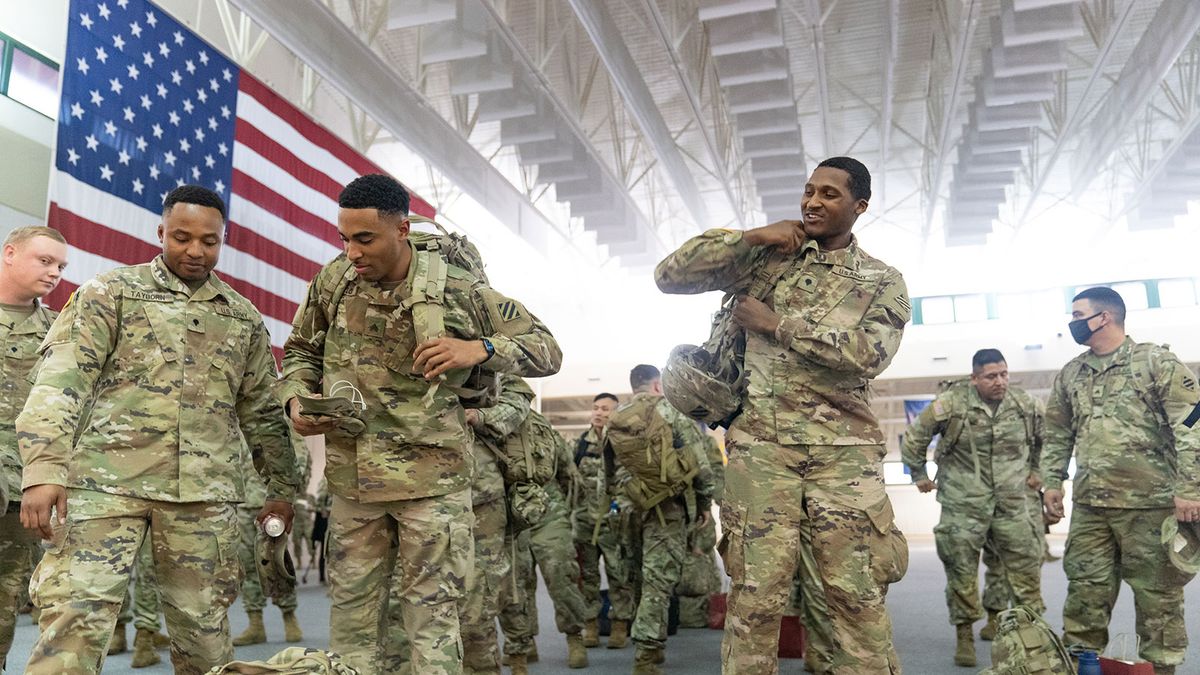
The concept of a military draft in the United States often evokes images from history books, particularly the turbulent era of the Vietnam War. Many Americans, especially younger generations, might wonder: Is the US military draft active today? The short answer is no. Currently, the United States operates under an all-volunteer military system, meaning individuals choose to enlist in the armed forces. However, understanding the full picture requires delving into the history of conscription and the modern role of the Selective Service System (SSS).
A Historical Perspective: The Evolution of the US Military Draft
Compulsory military service, often referred to as 'the draft,' has a long and complex history in America. Its evolution mirrors significant shifts in national defense policy, public sentiment, and global conflicts.
From Civil War Conscription to WWI's Selective Service Act
The very first instances of conscription in the US emerged during the Civil War, with both the Union and Confederate sides requiring men to enlist. These early drafts were often controversial and sometimes met with resistance. However, it wasn't until World War I that a national system for conscription was formally established. The Selective Service Act of 1917 marked a pivotal moment, mandating that men between 21 and 30 years old register for potential military service. This framework laid the groundwork for future draft systems, including those used during World War II.
The Vietnam Era and the Shift to an All-Volunteer Force
The draft continued through World War II and the Korean War, but it became a deeply contentious issue during the Vietnam War era. Widespread anti-war sentiments and civil rights movements fueled massive protests, as many young Americans actively resisted conscription. The perception of an unjust war fought by unwilling soldiers led to immense social pressure on the government. In response to these significant social and political pressures, President Richard Nixon initiated reforms aimed at ending the draft. Critical dates in this transition include:
- January 1973: Secretary of Defense Melvin Laird announced that no further draft orders would be issued. This decision was made possible by sufficient volunteer enlistment levels, a testament to the success of efforts to build an all-volunteer force.
- 1975: The legal authority for drafting individuals expired without renewal from Congress, formally ending conscription.
Reinstatement of Selective Service Registration (1980)
While the active draft ended, the underlying mechanism for potential future conscription remained. After the Soviet invasion of Afghanistan in 1979 reignited Cold War tensions, President Jimmy Carter reinstated the requirement for males aged 18-25 living within the U.S., including immigrants regardless of their status, to register with the Selective Service System. This move was not a reinstatement of the draft itself, but rather a re-establishment of a contingency plan. It ensured that should circumstances ever necessitate mass mobilization again, the government would have a ready list of eligible individuals. This marked a significant shift: maintaining voluntary military service while preserving the capability for conscription if needed. For a deeper dive into this historical journey, read our article From Civil War to Volunteers: The Evolution of the US Military Draft.
The Current Landscape: An All-Volunteer Military
In the United States today, military service is entirely voluntary. This means individuals choose to enlist in the Army, Navy, Air Force, Marine Corps, Space Force, or Coast Guard based on personal interest, career goals, and a desire to serve their nation. This all-volunteer system stands in stark contrast to countries like Iran, where conscription laws require males aged between 18 and 40 to serve their nation militarily, often during peacetime. The US military prides itself on attracting high-quality recruits who are motivated and dedicated to their service, a benefit often attributed to the voluntary nature of its forces.
The absence of an active draft means that no individual is compelled to join the military against their will. Recruitment efforts focus on highlighting the benefits of military service, including educational opportunities, job training, healthcare, and a sense of purpose. This system has proven highly effective in maintaining a robust and professional fighting force, eliminating the social unrest and resistance often associated with periods of conscription.
Understanding the Selective Service System (SSS) and Its Modernization
While the US military draft is not active, the Selective Service System (SSS) remains an essential government agency. Its primary role is to maintain a database of potential draftees should Congress and the President ever decide to reinstate conscription. It is crucial to understand that registering with the SSS does not mean you are enlisting in the military or that a draft is imminent. It is merely a precautionary measure, a national insurance policy, if you will, ensuring readiness for unforeseen national emergencies.
Historically, all men residing in the U.S. (citizens and non-citizens) between the ages of 18 and 25 have been required to register with the SSS. This has traditionally involved individuals proactively signing up, often around their 18th birthday. However, recent changes are modernizing this process significantly.
Major Changes on the Horizon: Automatic Registration from 2026
One of the most significant updates to the SSS policy in decades is the shift to automatic registration. Starting in December 2026, the SSS will begin using federal databases, such as Social Security records, to automatically register eligible men within 30 days of their 18th birthday. This means that young men will no longer need to sign up themselves, simplifying the process and aiming to improve compliance rates.
This change addresses a growing concern over declining registration rates, which fell from 84% in 2023 to 81% in 2024. Part of this decline was attributed to the removal of a registration option from federal student loan forms in 2022. Automatic registration is designed to close this gap, ensure more comprehensive coverage, and reduce the costs associated with extensive outreach campaigns. It's a modernization effort, not a signal of an impending draft. For a comprehensive look at these upcoming changes, see our article Selective Service 2026: Automatic Registration Changes Explained.
Who Needs to Register and Why It Matters
Even with automatic registration looming, understanding the requirements for how military draft works, or at least how the Selective Service System operates, is important. Currently, all male U.S. citizens and immigrant non-citizens who are 18-25 years old are required to register. Failure to register can lead to significant consequences, including:
- Ineligibility for federal student aid (Pell Grants, Stafford Loans, etc.)
- Denial of federal job training programs
- Exclusion from federal employment
- Potential delays or denial of U.S. citizenship for immigrants
- Under federal law, failure to register is a felony, punishable by a fine of up to $250,000 and/or five years in prison, though prosecution for non-registration is rare.
These consequences highlight that while the draft isn't active, the Selective Service System is more than just a historical relic; it's a functioning part of U.S. defense policy with real implications for eligible individuals.
What if the Draft Were Reinstated? Exploring Future Scenarios
While an active draft is highly improbable in the current geopolitical climate, understanding the mechanics of how military draft works if it were ever reinstated is crucial for comprehensive civic knowledge. The process would be complex and would involve significant legislative and executive action:
- Congressional Authorization: First, Congress would need to pass legislation to reinstate the draft.
- Presidential Directive: The President would then sign this legislation into law and issue a directive to the Selective Service System.
- Lottery System: Historically, a lottery system based on birth dates has been used to determine the order in which registered men would be called up.
- Medical and Mental Examinations: Those called would undergo rigorous medical, mental, and moral fitness evaluations.
- Conscientious Objection: Provisions for conscientious objectors (individuals who oppose war based on moral or religious beliefs) would be a critical component of any draft system.
The decision to reinstate a draft would likely only occur in a national emergency or during a full-scale war requiring a massive infusion of personnel beyond what the all-volunteer force could provide. Such a scenario would represent a drastic shift in U.S. defense policy and would undoubtedly be met with extensive public debate. Furthermore, there's an ongoing discussion about whether women should also be required to register for selective service, a topic that has seen legal challenges and congressional debate, reflecting evolving societal roles and military integration.
Conclusion
To summarize, the US military draft is not active, and has not been since 1973. The United States maintains a powerful and professional all-volunteer military, relying on the dedication and commitment of those who freely choose to serve. However, the Selective Service System remains a vital part of national defense planning, serving as a contingency should a national emergency ever require a return to conscription. Understanding how military draft works, its history, and the modern role of the SSS is essential for every eligible citizen, particularly with the upcoming automatic registration changes in 2026. While the idea of a draft may seem distant, the system that would facilitate it continues to evolve, ensuring that the nation remains prepared for any future challenges.